Learn why quitting substances is only the first step and how true recovery creates long term change through structure, support, and purpose.



You might assume that recovery begins and ends once you stop using drugs. Sobriety is often seen as the ultimate goal. And while choosing to quit is a major achievement, it doesn’t automatically repair what’s been damaged. It doesn’t instantly rebuild relationships, restore confidence, or give your life a renewed sense of purpose. If you feel stuck after getting sober, you’re not failing; you’re just at the starting point of something deeper.
True recovery is about rebuilding your life from the inside out. It’s learning how to create stability, rediscover purpose, and develop healthier ways of coping. True recovery from addiction is a holistic, long-term process that goes beyond abstinence. It’s emotional, mental, behavioral, and deeply tied to your way of living.
It requires you to heal old wounds, change patterns that no longer serve you, and build daily habits that support a purposeful life. In this article, you’ll explore what true recovery looks like and why sobriety isn’t the finish line, but the starting point.
True recovery means you’re not just trying to stop substance use; you’re rebuilding your life from the inside out. It’s you choosing clarity over escape, honesty over denial, and growth over old patterns. It’s you being honest about where you’ve been, taking responsibility for your actions, and committing to real change that lasts.
True recovery requires accountability. You acknowledge the damage done to yourself and others and you pledge to improve. You encounter triggers, mend relationships, cultivate better habits, and establish routines that enhance your well-being.
Recovery from substance use doesn't follow a single formula and your journey may not be the same with everyone else. You may join a substance abuse outpatient treatment, a support group from an addiction rehabilitation center, a consultation with a therapist from an outpatient drug treatment, a faith-based rehabilitation, or prioritize restoring family connections.
Whichever path you choose, what matters isn’t the comparison of your recovery; it’s whether it promotes your development, stability, and lasting sobriety. Your history, support network, and objectives are unique and yours. Therefore, your path to recovery will be as well.
When you focus only on quitting the substance, you are treating the symptom, not the root cause. The anxiety that drives you to escape is not your personality. The unresolved grief, the stress, and the patterns of avoidance or harsh self criticism are deeper layers that need attention. If these underlying issues go unaddressed, sobriety can start to feel like you are simply forcing yourself to get through each day instead of truly living it.
You can stop drinking or using and still feel like something’s off. On the outside, you’re “doing the right things.” You’re sober. You’re showing up. But underneath, the same stress, pain, or patterns are quietly waiting. That’s where relapse risk happens.
Recovery is more than staying sober. It’s about restoring the parts of your life that addiction disrupted. Focusing solely on abstinence could lead you to feel stuck, overwhelmed, or vulnerable to relapse. True recovery happens when you address the emotional, mental, and practical foundations that support long-term sobriety.
You start by understanding what drives your behaviors and learning how to manage stress, triggers, and difficult emotions. Strengthening your mental health helps you respond to life instead of escaping from it. By reshaping unhealthy thought patterns and prioritizing mental health support, you give yourself the tools to stay steady when life gets difficult.
You create consistency through routine, responsibility, and follow-through. Structure keeps you grounded, reduces impulsive decisions, and provides your days a sense of direction and purpose, especially in the early stages of recovery.
You acknowledge past harm and learn to express yourself with transparency and boundaries. Restoring trust establishes a stronger support network for lasting change.
You focus on building a meaningful life through work, hobbies, community, and personal goals. When your life supports your sobriety, recovery becomes sustainable—not just something you’re trying to maintain, but something you’re living.

You don’t have to step away from your entire life to get meaningful help. Substance abuse outpatient treatment is tailored for those who require professional assistance while balancing work, school, or family obligations. It offers structured treatment like therapy, counseling, and relapse-prevention programs, without requiring you to full-time residence in a facility.
One of the biggest benefits of outpatient drug treatment is flexibility. You attend scheduled sessions while continuing your daily routine, which helps recovery feel realistic and sustainable. You’re practicing them in real-life situations, confronting triggers, stress, and decisions as they actually happen, with ongoing guidance to help you adapt and improve.
Outpatient care also plays a vital role in long-term recovery. It often serves as a step down from inpatient treatment. Outpatient treatment offers ongoing support, accountability, and coping techniques, enabling you to create a recovery that integrates into your life and endures after treatment.
You might be able to stop using on your own for a while, but lasting recovery usually takes more than willpower. That’s where an addiction rehabilitation center makes the difference. In contrast to temporary solutions, rehabilitation focuses on the reasons behind your addiction and not just the behavior itself.
In a rehabilitation facility, you receive professional assistance from clinical services, therapy, and a recovery program customized based on your situation. They help you acquire skills to handle triggers, address mental and emotional challenges, and cultivate practical coping strategies that work in everyday situations.
True recovery involves addressing the underlying issues that caused the addiction, rebuilding your life, and discovering how to navigate the world without the desire to escape. When you look beyond abstinence, you allow yourself to develop emotionally, reconnect with others, and create a future that actually feels worth living.
You deserve more than just “not using.” You deserve stability, purpose, and support that lasts. If you’re ready to explore what real recovery may look like, consider reaching out to Tru Living in Idaho to learn more about the next steps.
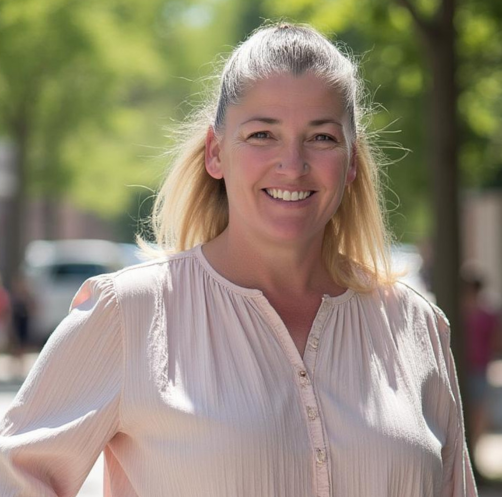
Medical Reviewer
Heidi is a Licensed Master Social Worker and Advanced Certified Alcohol and Drug Counselor in Idaho. Drawing from her own recovery and faith, she helps individuals heal from substance use, trauma, and mental health challenges. Heidi’s compassionate, holistic approach fosters resilience, purpose, and lasting emotional wellness.

LegitScript certification demonstrates that Tru Living Recovery complies with LegitScript’s certification standards, which help ensure transparency and compliance with applicable laws and regulations.
Tru Living Recovery has been accredited by The Commission on Accreditation of Rehabilitation Facilities


.webp)
.webp)