
How to Find Sober Living After Rehab When You Don't Know Where to Start
Find sober living after rehab with practical guidance on choosing a safe, supportive recovery home and planning your next steps after treatment.

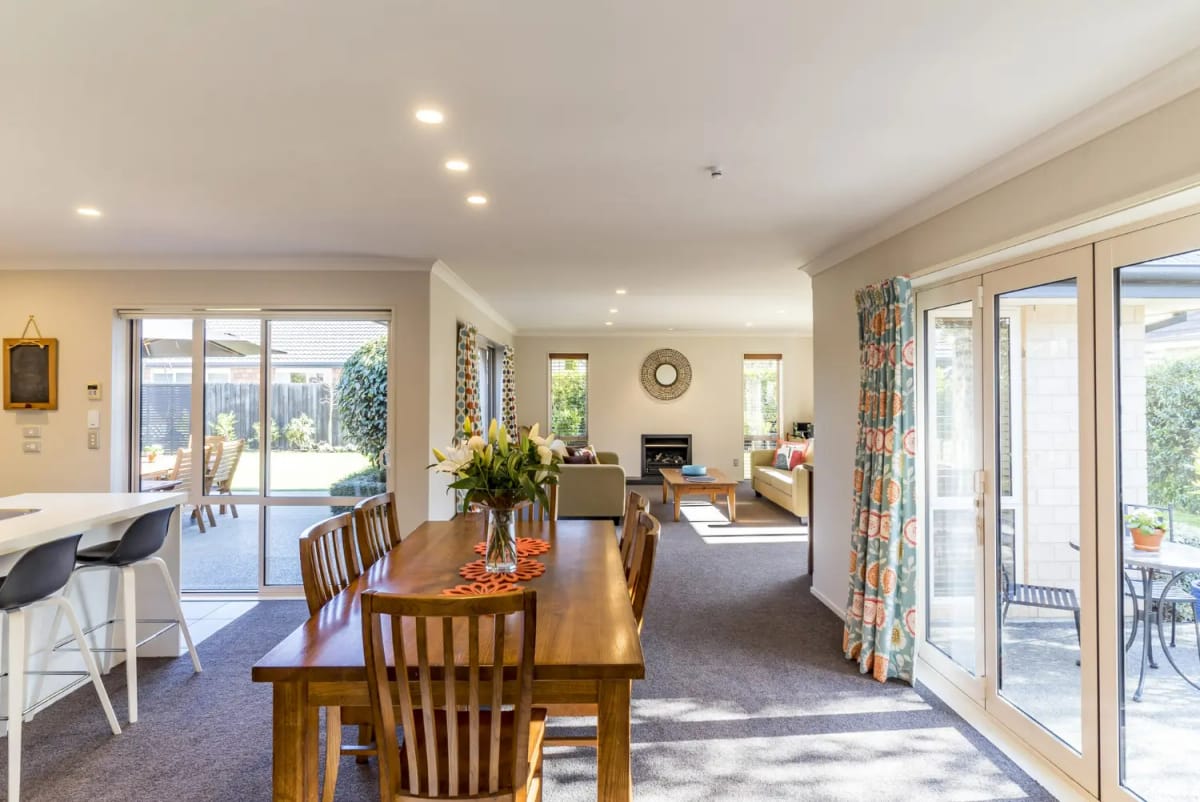

Finishing rehab can bring a strange mix of relief and uncertainty. You may feel ready for what comes next, but still have one very practical question: Where am I supposed to live now?
Going straight back to the same environment you were in before treatment isn't always the best option. Maybe substances are still present at home. Maybe certain relationships or routines make staying sober harder. Or maybe you simply want more time to build confidence before living completely on your own.
This is where sober living can help.
If you're trying to figure out how to find sober living after rehab, you don't need to have the entire next year planned. Start by figuring out what kind of environment will support your recovery right now.
What Is Sober Living?
Sober living, also called recovery housing, provides a substance-free living environment for people in recovery.
It isn't the same thing as inpatient or residential addiction treatment. You typically live more independently while following house expectations designed to maintain a safe, recovery-focused environment.
The Substance Abuse and Mental Health Services Administration (SAMHSA) describes recovery housing as substance-free living environments centered around peer support and connections to services that promote long-term recovery. Recovery residences can vary significantly in how much structure, supervision, and professional support they provide.
That distinction matters. Two homes calling themselves "sober living" may offer very different experiences.
Some are primarily peer-run. Others have house managers, regular testing, recovery meetings, curfews, or connections to clinical treatment.
At Tru Living Recovery in Nampa, for example, sober living includes recovery-focused housing, peer support, on-site managers, weekly drug and alcohol testing, and connections to outpatient levels of care.
Why Sober Living Can Be Helpful After Rehab
Treatment gives you an opportunity to work on addiction in a controlled environment. Eventually, however, the skills you've been building have to work outside of treatment too.
That's where the transition can get difficult.
You may suddenly be dealing with work, bills, family relationships, transportation, cravings, appointments, and everyday stress again. Having a stable place to return to each day can remove at least one major source of uncertainty.
Research supports the role recovery housing can play during this transition. Recovery housing is associated with better outcomes in areas including substance use, employment, income, and criminal justice involvement compared with continuing care as usual or no intervention, although researchers noted that more high-quality studies are still needed.
SAMHSA similarly identifies recovery housing as an important recovery support and recommends practices centered around safety, clear expectations, appropriate placement, evidence-based support, and connections with other care providers.
How to Find Sober Living After Rehab: Start With Your Treatment Team
One of the best places to start is with the people already involved in your treatment. Ask your counselor, case manager, recovery coach, or discharge coordinator what sober living options they know and trust.
Treatment providers often have relationships with recovery homes in their communities and may know important details that aren't obvious from a website.
Ask questions such as:
- What homes do you regularly refer people to?
- How much does the home cost?
- What are the house rules?
- Is there a house manager?
- Are residents drug or alcohol tested?
- Can I continue outpatient treatment while living there?
- What happens if someone relapses?
- Are medications, including medications for addiction treatment, permitted?
- How long can residents stay?
- What support is available when someone is struggling?
If you're currently in treatment, don't wait until your final day to ask these questions. Housing should be part of your transition planning whenever possible.
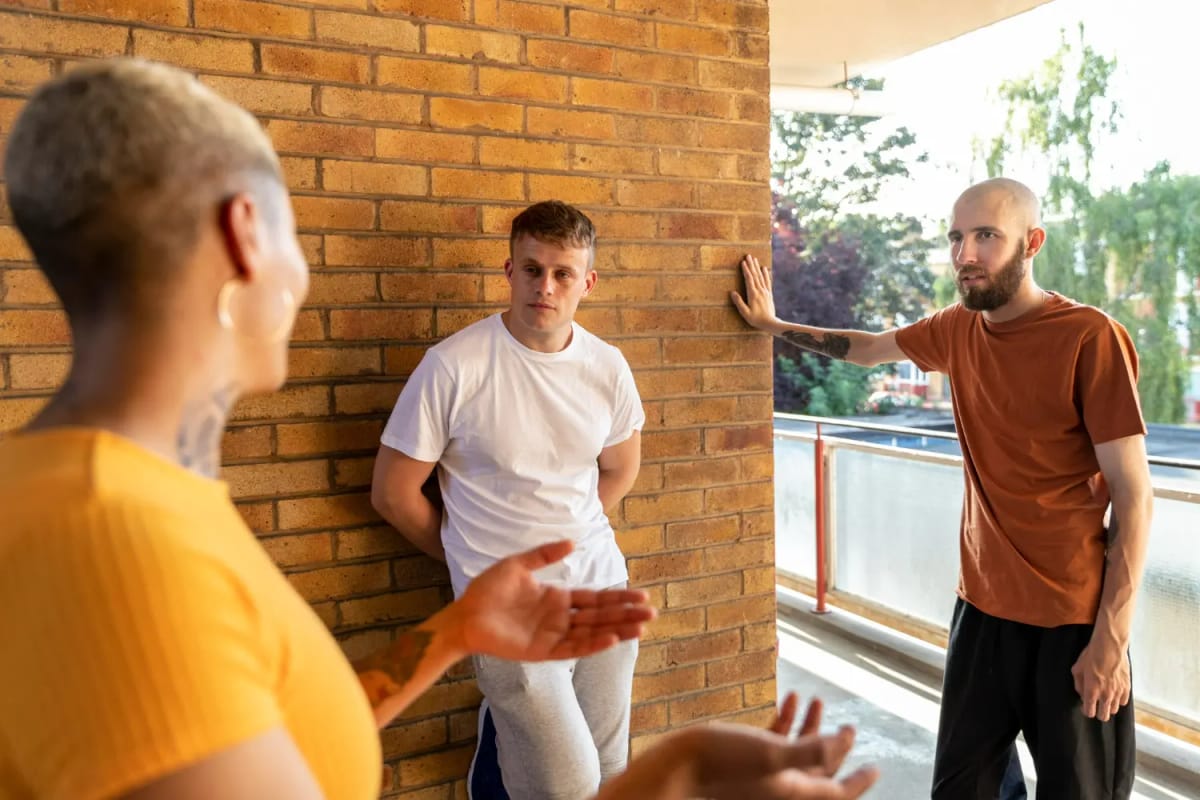
Look Beyond the Bedroom and Ask About the Environment
Finding an available bed matters, but availability shouldn't be your only consideration.
Think about what living there will actually be like.
A good recovery environment should have clear policies and expectations. SAMHSA recommends that recovery housing programs establish written policies, procedures, and resident expectations while prioritizing resident safety and quality.
When speaking with a sober living provider, ask what a normal week looks like.
Are residents working, attending school, volunteering, or participating in treatment? Are meetings required? Is there a curfew? How are conflicts between residents handled? What accountability exists?
You should be able to get straightforward answers.
This guide explains different types of sober housing and what people should consider when looking for recovery housing after treatment.
Consider Whether You Still Need Outpatient Treatment
Moving into sober living doesn't necessarily mean treatment is finished.
In fact, sober living and outpatient care can work alongside each other. The housing provides a recovery-focused place to live, while treatment continues addressing the clinical side of addiction and mental health.
If you're searching for outpatient addiction treatment near me in Idaho, consider how much support you currently need.
Some people stepping down from higher levels of care still benefit from an intensive outpatient program (IOP). Others may be ready for traditional outpatient treatment with fewer weekly treatment hours.
Tru Living's outpatient treatment program in Nampa, for example, is designed for people who have developed some stability but still benefit from therapy, recovery support, and accountability while returning to work, school, family responsibilities, and everyday life.
Don't Ignore Mental Health When Choosing Your Next Step
For some people, finding housing is only part of the transition.
Depression, anxiety, trauma, bipolar disorder, or other mental health concerns may still need treatment alongside the substance use disorder.
Some recovery housing recognizes the prevalence of co-occurring mental health conditions and incorporate approaches appropriate for residents with both mental health and substance use concerns.
So, if you're searching for a dual diagnosis rehab near me in Idaho, look beyond whether a program simply says it treats addiction. Ask how mental health is assessed and treated, whether clinicians coordinate care, and what happens if symptoms become more difficult to manage.

Ask for Help With the Practical Stuff
Sometimes the biggest obstacles after rehab aren't happening in the therapy room.
You may need to find a job. Replace identification documents. Arrange transportation. Make medical appointments. Deal with legal obligations. Apply for benefits. Find longer-term housing.
Trying to manage all of that at once can become overwhelming.
This is one reason case management for addiction treatment in Nampa can be useful during the transition out of rehab.
At Tru Living, recovery coaching and case management can help clients connect with housing, employment, healthcare, and legal resources while continuing to work on recovery.
The goal isn't to have someone run your life for you. It's to make sure practical problems don't quietly become barriers to the progress you've already made.
Finding Sober Living in Nampa, Idaho
Learning how to find sober living after rehab becomes easier when you stop thinking of housing as a separate decision from the rest of recovery.
Ask yourself what you need your next environment to help you do.
Do you need more accountability? Continued treatment? Help finding employment? Mental health support? A sober peer community? More time before living independently?
Those answers can help narrow the search.
Tru Living Recovery provides sober living alongside outpatient addiction treatment, recovery coaching, case management, and other recovery services in Nampa, Idaho. Instead of trying to piece together your next steps by yourself, you can talk with the team about where you are now and what kind of support may make sense next.
Contact Tru Living Recovery to learn more about sober living and continuing addiction treatment in Nampa.
Heidi Rogers, LCSW, A-CADC
Medical Reviewer
Heidi is a Licensed Master Social Worker and Advanced Certified Alcohol and Drug Counselor in Idaho. Drawing from her own recovery and faith, she helps individuals heal from substance use, trauma, and mental health challenges. Heidi’s compassionate, holistic approach fosters resilience, purpose, and lasting emotional wellness.