Medication management for addiction combines psychiatric evaluation, prescribing, and ongoing monitoring to treat substance use and mental health together.

.webp)

A common concern about medication in addiction treatment is that it amounts to trading one drug for another. That concern is understandable given how much stigma still surrounds medication in recovery, but it doesn't reflect how medication management actually works in practice.
Medication management is a structured clinical process. It begins with a thorough assessment of mental and physical health and continues with ongoing monitoring and adjustment over time, treating the whole person rather than just the substance. This overview walks through what that process looks like, who it's designed for, and how it fits into a broader recovery plan at Tru Living Recovery.
Medication management is more than prescribing medication. It's an ongoing process that helps ensure you're taking the right medication, at the right dose, while monitoring how it's affecting your recovery.
It begins with a comprehensive evaluation. Your provider reviews your substance use history, mental health symptoms, medical conditions, current medications, and treatment goals to determine whether medication is appropriate and, if so, which option is the best fit.
If medication is recommended, your provider will explain how it works, what to expect, and any potential side effects. Follow-up appointments are an essential part of the process. During these visits, your provider checks how well the medication is working, answers questions, adjusts the dose if needed, and addresses any concerns that come up along the way.
Most people entering addiction treatment are not dealing with substance use alone. Depression, anxiety, PTSD, and trauma are common alongside addiction. According to SAMHSA's 2024 National Survey on Drug Use and Health, an estimated 21.2 million adults in the United States had a co-occurring mental illness and substance use disorder that year.
When someone uses alcohol to manage undiagnosed anxiety, stopping the alcohol without treating the anxiety often leads back to drinking. Medication for a condition like depression or PTSD addresses a physiological issue in the brain. This is why treating co-occurring mental health conditions is essential to lasting addiction recovery, and it's often what separates someone who stabilizes from someone who cycles through treatment repeatedly.
The specific medication, dose, and duration depend on the individual's clinical picture, but treatment generally falls into three categories:
In the Treasure Valley region, methamphetamine and fentanyl are significant substances of concern, and both can cause lasting changes in brain chemistry that medication may help address after someone stops using.
.webp)
At Tru Living Recovery, medication management is part of a comprehensive treatment plan. Every client begins with a thorough assessment that looks at substance use history, mental health symptoms, physical health, past treatment experiences, current medications, and recovery goals.
If medication is recommended, your provider works with you to choose the most appropriate option based on your individual needs. You'll have regular follow-up appointments to monitor your progress, discuss any side effects, and make adjustments as needed. The goal is to find the safest and most effective treatment plan while supporting your long-term recovery.
Medication is just one part of the recovery process. It works best when combined with counseling, behavioral therapies, peer support, and relapse prevention strategies that address the underlying causes of substance use.
At Tru Living Recovery, medication management is integrated into both our Partial Hospitalization Program (PHP) and Intensive Outpatient Program (IOP). Whether you're receiving structured daytime treatment or balancing recovery with work, school, or family responsibilities, your medication plan is coordinated with the rest of your care so every member of your treatment team is working toward the same goals.
Not everyone in recovery needs medication. Some people do well with therapy, peer support, and accountability structures alone. But people with co-occurring mental health conditions, or those recovering from opioid or alcohol use disorder, often benefit substantially from including medication in their care plan.
Whether it's right for a given person comes from a clinical assessment. Signs that medication management might be part of the conversation include:
At Tru Living, the clinical team determines the appropriate level of care and treatment components based on individual assessment.
.webp)
Medication alone doesn't produce lasting recovery; it's most effective combined with therapy, peer support, and structured programming. At Tru Living, medication management supports the rest of treatment: group therapy builds skills, individual counseling addresses the roots of addiction, and recovery coaching and case management help with the practical realities of daily life in sobriety, including housing, employment, and healthcare access. Medication, when appropriate, creates a more stable neurological foundation for that other work to land.
If you're in or near Nampa and wondering whether medication management belongs in your recovery plan, the first step is a confidential conversation. Reach Tru Living Recovery at 208-901-8192 to ask questions, verify insurance, or schedule an assessment. Client experiences on Google offer additional perspective before you call.
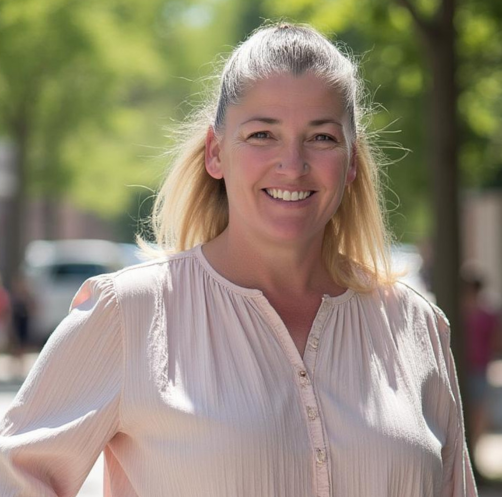
Medical Reviewer
Heidi is a Licensed Master Social Worker and Advanced Certified Alcohol and Drug Counselor in Idaho. Drawing from her own recovery and faith, she helps individuals heal from substance use, trauma, and mental health challenges. Heidi’s compassionate, holistic approach fosters resilience, purpose, and lasting emotional wellness.
LegitScript certification demonstrates that Tru Living Recovery complies with LegitScript’s certification standards, which help ensure transparency and compliance with applicable laws and regulations.
Tru Living Recovery has been accredited by The Commission on Accreditation of Rehabilitation Facilities

.png)