Confused by PHP vs IOP in Nampa? Learn the key differences between these levels of care and how to choose the right addiction treatment program for your needs.

.png)

Choosing to seek help for addiction is a monumental first step, but it often leads immediately to a confusing fork in the road: which level of care is actually right for your specific situation? In the world of clinical recovery, the acronyms can feel overwhelming. Should you enroll in a Partial Hospitalization Program (PHP) or an intensive outpatient program in Nampa?
At Tru Living Recovery, we believe that recovery is a "we" thing, not a "you" thing. Part of that "we" approach involves helping you navigate these clinical transitions with clarity. Understanding the nuance between these levels of care addiction treatment centers provide is essential to ensuring you have enough support to stay sober without being more restricted than necessary.
Here is how to determine which path in the Treasure Valley fits your current needs.
A Partial Hospitalization Program Nampa (PHP) is often referred to as "Day Treatment." It is the highest level of care available without staying overnight in a hospital or residential wing.
Who it’s for:
PHP is designed for individuals who have completed a medical detox or inpatient stay but still require a high level of clinical supervision. It is also an ideal starting point for those whose home environment is stable, but whose addiction is severe enough that they cannot yet manage a full day of "unstructured" time.
The PHP Structure at Tru Living Recovery:
An intensive outpatient program in Nampa (IOP) is the next "step-down" in the continuum of care. It offers significantly more flexibility than PHP, making it the primary choice for those who need to maintain their "real world" responsibilities.
Who it’s for:
IOP is best suited for individuals who have achieved a baseline of stability. If you are returning to work, attending school, or managing a household but still need a rigorous professional support system to prevent relapse, IOP is the clinical standard.
The IOP Structure:
When choosing the right rehab program, the decision usually comes down to three factors: risk, responsibility, and time.
Feature
Partial Hospitalization (PHP)
Intensive Outpatient (IOP)
Daily Hours
20–30+ hours per week
9–15 hours per week
Medical Oversight
Regular psychiatric/medical check-ins
Minimal medical oversight
Living Situation
Often paired with Sober Living
Home or Sober Living
Employment
Usually requires a leave of absence
Can be balanced with part-time work
Best For
Early stabilization
Maintaining long-term sobriety

One of the most common mistakes in addiction treatment programs Idaho residents make is trying to jump from a high-intensity program directly back into "normal life" without a buffer.
Research from SAMHSA shows that the longer an individual remains connected to a structured clinical environment, the lower their risk of relapse. This is why we utilize a "Step-Down" model. Many of our clients start in our PHP program to build a foundation, then transition into an intensive outpatient program in Nampa to test their tools in the real world, and finally move into standard Outpatient Treatment for long-term maintenance.
If you are still unsure which level of care is right, ask yourself these three questions:
At Tru Living, we don't believe in "one size fits all" medicine. Whether you need the immersive nature of outpatient vs day treatment rehab or the flexibility of a local IOP, our team in Nampa is dedicated to treating you with the dignity and empathy you deserve. We provide wrap-around support that includes not just group therapy, but holistic wellness and community integration.
The choice between PHP and an intensive outpatient program in Nampa isn't a choice between "more" or "less" help—it’s a choice about the right help for your current stage of healing. Both are powerful tools in the fight against addiction.
Reach out to us at Tru Living for support. Our admissions team can provide a confidential assessment to help you determine exactly which level of care will set you up for the most successful, sustainable recovery.
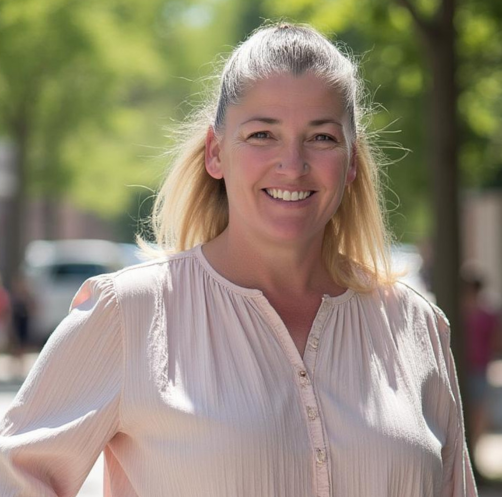
Medical Reviewer
Heidi is a Licensed Master Social Worker and Advanced Certified Alcohol and Drug Counselor in Idaho. Drawing from her own recovery and faith, she helps individuals heal from substance use, trauma, and mental health challenges. Heidi’s compassionate, holistic approach fosters resilience, purpose, and lasting emotional wellness.
LegitScript certification demonstrates that Tru Living Recovery complies with LegitScript’s certification standards, which help ensure transparency and compliance with applicable laws and regulations.
Tru Living Recovery has been accredited by The Commission on Accreditation of Rehabilitation Facilities