Discover how medication management Idaho supports recovery and co-occurring mental health care. Understand how integrated treatment builds stability.



If you have ever tried to get sober and felt like something was still working against you, you are not alone. For many people, lasting recovery requires more than stopping substance use. It also means addressing the mental health challenges that exist alongside addiction, which is why medication management Idaho services can play such an important role in treatment.
Anxiety that feels impossible to manage without something to take the edge off. Depression that makes getting out of bed feel overwhelming, let alone staying sober. Trauma responses that remain untreated because they were seen as secondary to treating "the addiction."
The truth is, it is rarely just one issue. When underlying mental health conditions go untreated, recovery becomes significantly harder to sustain. At Tru Living Recovery, an Idaho addiction treatment center, professional medication management is one of the ways we make sure no part of a person's healing is overlooked.
A co-occurring disorder, sometimes called a dual diagnosis, is when a person experiences both a substance use disorder and a mental health condition at the same time. The two are deeply interconnected. Sometimes a mental health condition drives substance use, as people self-medicate to cope with anxiety, depression, or trauma. Other times, prolonged substance use changes brain chemistry in ways that trigger or worsen mental health symptoms.
Either way, treating only one side of the equation rarely works.
In the U.S., co-occurring disorders remain a pressing issue. Yet many treatment programs still treat addiction and mental health separately, which means clients often fall through the cracks between providers.
At Tru Living, our medication management Nampa Idaho services aims to address this gap, providing integrated, professional oversight of mental health and recovery medications within the same program where you're receiving therapy and counseling.
Many people entering recovery are navigating more than substance use alone. That is why medication management Idaho services are often an important part of building stability and supporting long-term recovery.
Some of the most common mental health conditions that co-occur with addiction include:
This is not an exhaustive list. What matters is recognizing when mental and emotional challenges are making recovery harder and addressing them directly. Effective co-occurring disorders medication management Idaho support means treating the whole person, not separating mental health from addiction recovery.
Our medication management process is thorough, individualized, and built around your specific needs, not a one-size-fits-all prescription checklist.
Here's what to expect:
This level of coordinated prescription management is what separates integrated care from fragmented care. When your prescriber and therapist are working from the same treatment plan, your entire care team moves in the same direction. That coordination is central to mental health medication addiction treatment Nampa, helping clients receive more consistent, effective support for both recovery and mental health.

Medication management Idaho doesn't exist in isolation. It's one layer of a full continuum of care that includes evidence-based therapy, peer support, recovery coaching, and, for many clients, sober living.
Clients receiving medication management often also participate in our Intensive Outpatient Program (IOP) or Partial Hospitalization Program (PHP), where group therapy and individual counseling give them the skills to use alongside any prescribed support. This integrated approach to anxiety depression medication management Idaho combines clinical support with practical emotional tools. Medication can provide stability; therapy builds the skills to sustain it. Together, they create a stronger foundation for recovery.
Our recovery coaching and case management team also stays in close communication with the medication management team, so that any changes in a client's daily life or emotional state are reflected in their overall care plan.
Not everyone who comes to Tru Living needs medication management. But for those who do, having access to it within the same program, supported by the same team, can make a meaningful difference. Integrated care, including case management Idaho services, helps ensure mental health and addiction treatment are coordinated rather than treated separately.
You may benefit from medication management in Nampa, Idaho if:
There is no shame in needing more support. In fact, seeking the right help, including medication when appropriate, is often a sign that someone is taking recovery seriously.
For another perspective on how integrated mental health and addiction treatment can support lasting recovery, see how Lotus Recovery approaches co-occurring disorders in their programs.
Think co-occurring mental health might be part of your story?
Contact Tru Living Recovery in Nampa for a confidential assessment. Our team will help you understand whether medication management Idaho services are right for you and how they fit into a coordinated recovery plan built around your long-term wellbeing.
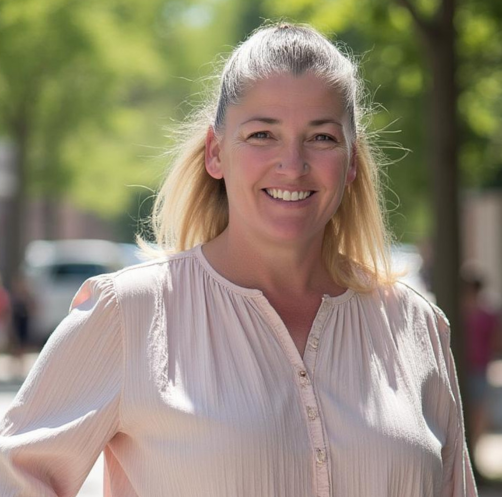
Medical Reviewer
Heidi is a Licensed Master Social Worker and Advanced Certified Alcohol and Drug Counselor in Idaho. Drawing from her own recovery and faith, she helps individuals heal from substance use, trauma, and mental health challenges. Heidi’s compassionate, holistic approach fosters resilience, purpose, and lasting emotional wellness.
LegitScript certification demonstrates that Tru Living Recovery complies with LegitScript’s certification standards, which help ensure transparency and compliance with applicable laws and regulations.
Tru Living Recovery has been accredited by The Commission on Accreditation of Rehabilitation Facilities