Wondering what outpatient rehab is like? Explore a week-by-week look at addiction treatment, therapy, and recovery milestones.

.png)

Most people who call us don't know exactly what outpatient treatment looks like. They know they need help, or they know someone they love does, and they're trying to figure out whether this is actually something they can do. That uncertainty makes sense. Treatment can sound clinical and cold from the outside, like something that happens to you rather than something you actively participate in.
The truth is different. Outpatient addiction treatment is structured, but it's also designed around your real life: your schedule, your responsibilities, and what's actually going on at home. This post walks through what to expect in outpatient addiction treatment, week by week, including what tends to happen inside the program and what you might notice at home during that same window.
This is not a sales pitch. It's a realistic look at what the process involves, so you can make an informed decision and show up ready.
Not all outpatient treatment looks the same. The American Society of Addiction Medicine (ASAM) has developed criteria that clinicians use to match people to the right intensity of care based on an assessment, not personal preference. You don't choose your level of care. A clinical team evaluates where you are and recommends what will actually keep you safe and supported.
Here's how the three main levels typically break down:
If you're trying to figure out which level you or someone you love might need, the post How to Know If You Need PHP or an Intensive Outpatient Program in Nampa breaks that question down clearly.
Your first clinical session involves a detailed assessment. The team asks about your history with substances, your mental health, your living situation, and your goals. This isn't interrogation. It's how your care team builds a picture of what you actually need, so they can create a personalized plan that fits your life instead of a generic template.
In group therapy, which is a core part of every level of outpatient care, you'll sit with others who are also early in the process. Many people feel out of place at first. That discomfort is normal and it fades. Group therapy is one of the most evidence-based tools in addiction treatment, specifically because shared experience creates accountability and reduces shame in ways that individual sessions alone cannot.
What's happening at home during week one: Families often feel a mix of relief and tension simultaneously. Relief that something is finally happening. Tension because routines are shifting, emotions are running high, and nobody quite knows what to expect. If you live with someone who is also adjusting, give them information. Silence tends to fill with worry.
By the second week, the structure starts to feel more familiar. You know where to go, who you'll see, and roughly what each session involves. Group sessions begin to feel less like sitting among strangers and more like sitting among people who understand what this is like.
Evidence-based therapies like Cognitive Behavioral Therapy (CBT) are often woven into group and individual sessions during this window. CBT helps identify the thought patterns and triggers that fuel substance use, and it gives people practical tools to interrupt those cycles. Motivational Interviewing and Dialectical Behavior Therapy (DBT) may also appear, depending on your program and what your clinical team has identified as useful for you specifically.
Individual counseling sessions give you space to go deeper on whatever the group setting doesn't fully address. These sessions are confidential and focused on your goals.
What's happening at home during weeks two and three: People in early recovery can be emotionally unpredictable, not because they're failing, but because they're processing things that were buried under substance use for a long time. A partner or parent might notice mood swings, unexpected tears, or unusual quiet. This is common. It doesn't mean treatment isn't working. It often means it is.
Recovery Coaching and Case Management can be especially valuable during this window, both for the person in treatment and for those supporting them. A recovery coach can help with the practical layer of early recovery: housing stability, employment questions, legal matters, and access to community resources.
.png)
The middle stretch of outpatient treatment is where the real work of skill-building happens. Groups shift from introduction and psychoeducation into deeper application. You're practicing what you're learning, not just absorbing it.
This is also where cravings often resurface in new ways. Early detox is behind you, but environmental triggers start showing up, situations, people, places, and feelings that your brain has associated with substance use. Your clinical team expects this and prepares for it. Relapse prevention planning, identifying triggers, and building a sober support network are all active parts of this phase.
Moral Reconation Therapy (MRT), which some outpatient programs use during this window, is a structured approach that examines how a person's values and decision-making patterns connect to their behavior. It's particularly useful for individuals whose substance use has been intertwined with legal issues or relationship conflict.
What's happening at home: Some families find this the most difficult stretch. The relief of "they're in treatment" has worn off, but the finish line isn't visible yet. Partners may feel unsure about whether to bring up hard conversations or hold back. The answer is almost always somewhere in between: honesty matters, but timing and tone matter too. A family therapy session, if your program offers it, can be a useful container for those conversations.
Outpatient treatment is not designed to last forever. It's designed to build enough structure, skill, and community support that you can sustain recovery with less clinical intensity over time. As you move into the later weeks of a PHP or IOP program, the conversation shifts toward what comes next.
Stepping down from IOP to outpatient treatment is a common and healthy progression. Sessions become less frequent, but the clinical connection stays in place. Recovery coaching continues. The goal is a gradual, supported transition back into full daily life, not an abrupt ending that leaves you without a net.
For some people, sober living is part of this transition. Structured, substance-free housing paired with outpatient care creates a stable environment where the daily habits of recovery can take root before they're tested by complete independence.
What the end of a program phase does not mean: It does not mean you're done. Recovery is sustained over years, not weeks. What changes is the intensity of clinical support, not the commitment to the work.
.png)
It's worth being honest about this. Outpatient treatment will not resolve every issue in your life by the time you step down. Relationships that were strained before treatment remain complex. Financial stress doesn't disappear. Co-occurring mental health conditions like anxiety, depression, or PTSD require ongoing attention, often beyond the substance use piece alone. At Tru Living Recovery, medication management and dual diagnosis support are integrated into the care model specifically because those conditions don't wait.
The difference that outpatient treatment makes is structural: it interrupts the pattern, builds skills for coping differently, and connects you to a community that holds you accountable. Those three things together create the conditions for something sustainable.
If you want to understand more about what the Tru Living team brings to this work, the Our Team page is worth a read. Our clinical director, counselors, and recovery coaches include people with both professional credentials and their own lived recovery experience. That combination isn't incidental. It's the whole point.
When you're ready to take a first step, we'd encourage you to reach out through our contact page or call us at 208-901-8192. Your first conversation is completely confidential. We'll help you understand what level of care fits where you are right now, and what the process actually looks like from there. You can also read what our clients say on Google before you reach out.
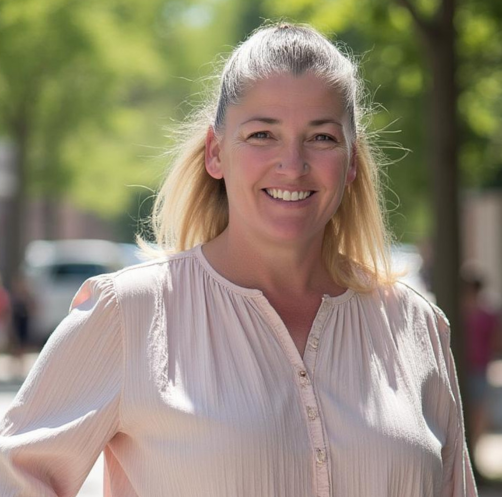
Medical Reviewer
Heidi is a Licensed Master Social Worker and Advanced Certified Alcohol and Drug Counselor in Idaho. Drawing from her own recovery and faith, she helps individuals heal from substance use, trauma, and mental health challenges. Heidi’s compassionate, holistic approach fosters resilience, purpose, and lasting emotional wellness.
LegitScript certification demonstrates that Tru Living Recovery complies with LegitScript’s certification standards, which help ensure transparency and compliance with applicable laws and regulations.
Tru Living Recovery has been accredited by The Commission on Accreditation of Rehabilitation Facilities

.png)