Recovery from meth addiction starts with the right treatment. Compare evidence-based therapies and levels of care that improve outcomes.



Methamphetamine is one of the hardest substances to quit. It’s the reality of what meth does to the brain, and understanding that reality is the first step toward knowing why certain treatments actually work.
If you're researching meth addiction treatment options for yourself or someone you love, you've probably already noticed that the answers aren't simple. Unlike opioid use disorder, there's no FDA-approved medication that works the same way as methadone or buprenorphine. Treatment for meth looks different, and for good reason. It has to.
This post walks through what the science says, what evidence-based treatment actually includes, and why the level of care someone enters matters more for meth than almost any other substance.
Methamphetamine floods the brain with dopamine, the chemical responsible for motivation, pleasure, and reward. It releases up to five times more dopamine than cocaine, according to research published by the National Institute on Drug Abuse. Over time, the brain adjusts by reducing its own dopamine production and receptor sensitivity.
When someone stops using meth, their brain is suddenly operating with a severely depleted reward system. This creates a period of prolonged anhedonia — a clinical word for the inability to feel pleasure. Simple things that used to bring joy, food, music, connection, stop registering as rewarding. This state can last weeks or even months after the last use.
This is why willpower alone rarely works. The person isn't choosing to feel empty. Their brain chemistry has genuinely changed, and recovery requires time and support for that chemistry to begin rebalancing.
There is currently no FDA-approved pharmacotherapy for methamphetamine use disorder. Research reflects this, pointing to behavioral therapies as the primary clinical approach.
That doesn't mean treatment is less effective. It means the behavioral treatment stack has to be strong, structured, and sustained. The three approaches with the most clinical evidence behind them are:
Not every level of outpatient care produces the same outcomes for someone recovering from meth use disorder. The severity of dopamine disruption, combined with the high relapse risk during early recovery, means that many people need more structured support than a once-a-week therapy appointment can provide.
This is where the continuum of care becomes critical. A Partial Hospitalization Program offers the highest level of outpatient structure, typically five to six hours a day, five days a week. That frequency matters because it keeps someone engaged with treatment during the hours when cravings are strongest and the brain's dopamine recovery is most fragile.
PHP combines group therapy, individual counseling, psychoeducation, medication management support, and recovery coaching all in one program. For someone stepping down from residential treatment, or someone whose meth use has been severe or long-term, this level of support creates the daily structure their brain actually needs to begin healing.
As stability grows, a clinical assessment may support a step down to an Intensive Outpatient Program, which runs roughly nine to fifteen hours per week. IOP still includes group and individual therapy, CBT and DBT work, and recovery coaching, but allows more independence for someone reintegrating into work, school, or family responsibilities. The blog post on how to choose between PHP, IOP, and outpatient levels of care explains how that clinical decision gets made.
Meth use and mental health conditions have a deeply intertwined relationship. The drug can trigger or intensify depression, anxiety, and psychosis, and many people who develop meth use disorder were already living with untreated mental health challenges before they started using.
Treating one without the other is a path that rarely holds. Research from the National Institutes of Health confirms that integrated treatment for co-occurring disorders produces significantly better outcomes than treating substance use and mental health separately.
At Tru Living Recovery, dual diagnosis treatment isn't an add-on. It's built into the clinical model. Our team helps clients work through substance use, trauma, and mental health challenges together. That whole-person approach reflects what the science actually supports.
If you're curious about how co-occurring conditions are addressed in treatment, this post on why treating mental health is essential to lasting recovery goes deeper.

Understanding the treatment options is useful. Knowing what a treatment day actually feels like is what helps people take the first step.
In a PHP program focused on meth recovery, a typical day includes structured group therapy sessions where clients work through CBT or Moral Reconation Therapy with peers who understand what they're going through. There's individual counseling with a licensed clinician. There's psychoeducation, which is learning about how addiction works, what triggers cravings, and how the brain heals. There's accountability without shame.
Recovery coaching is woven in throughout. A recovery coach isn't a therapist, but they are someone who walks alongside you through the practical parts of early recovery, connecting you to housing support, employment resources, and the community structures that make sobriety sustainable.
Sober living is also available as a complement to treatment, providing a stable, substance-free home environment for people who need more than just daytime clinical structure. You can read more about how that works at our sober living page.

Meth use disorder in Idaho is a front-line reality in the Treasure Valley, and it shapes the specific challenges our clinical team at Tru Living Recovery is trained to address. Fentanyl and methamphetamine are the substances most present in our community, and our programs are built with that context in mind.
If you're ready to talk with someone about where to start, the process is straightforward. You call or reach out, have a confidential conversation with a real person, and from there a clinical team determines the appropriate level of care based on your individual situation. Insurance verification happens before any commitment. Blue Cross, Blue Shield, PacificSource, and Idaho Medicaid are all accepted.
You can call us at 208-901-8192. If you'd like to read what others have experienced before you call, see what our clients say on Google.
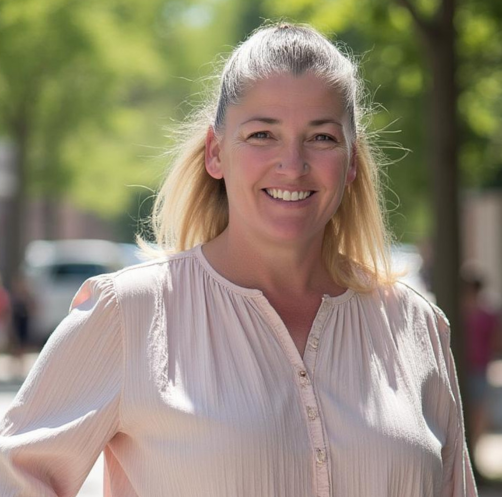
Medical Reviewer
Heidi is a Licensed Master Social Worker and Advanced Certified Alcohol and Drug Counselor in Idaho. Drawing from her own recovery and faith, she helps individuals heal from substance use, trauma, and mental health challenges. Heidi’s compassionate, holistic approach fosters resilience, purpose, and lasting emotional wellness.
LegitScript certification demonstrates that Tru Living Recovery complies with LegitScript’s certification standards, which help ensure transparency and compliance with applicable laws and regulations.
Tru Living Recovery has been accredited by The Commission on Accreditation of Rehabilitation Facilities


.webp)